Buy luxusvilla.eu ?
We are moving the project
luxusvilla.eu .
Are you interested in purchasing the domain
luxusvilla.eu ?
domain@kv-gmbh.de · 0541-91531010
Buy luxusvilla.eu ?
What are the properties of metal oxides and nonmetal oxides?
Metal oxides are typically basic in nature, meaning they react with acids to form salts and water. They are also typically solid at room temperature and have high melting and boiling points. Nonmetal oxides, on the other hand, are usually acidic in nature, meaning they react with bases to form salts and water. They are often gases or liquids at room temperature and have lower melting and boiling points compared to metal oxides. Both types of oxides play important roles in various chemical reactions and industrial processes. **
What are the differences between metal oxides and nonmetal oxides?
Metal oxides are compounds formed between a metal and oxygen, while nonmetal oxides are compounds formed between a nonmetal and oxygen. Metal oxides tend to be basic in nature, meaning they react with acids to form salts and water. Nonmetal oxides, on the other hand, tend to be acidic in nature, meaning they react with bases to form salts and water. Additionally, metal oxides typically have higher melting and boiling points compared to nonmetal oxides. **


Similar search terms for Oxides
Top-Angebote
Products related to Oxides:
-
"""Villa Sparina""" """Villa Sparina Brut Champagne - Italy""""""This deliciously refreshing sparkling wine has a pale straw-yellow color, gives off fresh floral fragrances and aromas of toasted bread. In the palate it is crisp, toasty and refreshing with a long finish."""28,99 $*Shipping: 0,00 $Secure redirect to the provider
-
"""Villa Sandi""" """Villa Sandi Valdobbiadene Prosecco Superiore Champagne - Italy""""""Golden apple, stone fruit and honey aromas, and flavors are balanced by lively acidity and a mouthwatering finish. Blend: 100% Glera Notes of sliced apples, white peaches and summer flowers with a medium body and crunchy acidity. Joyful and easy..."20,97 $*Shipping: 0,00 $Secure redirect to the provider
-
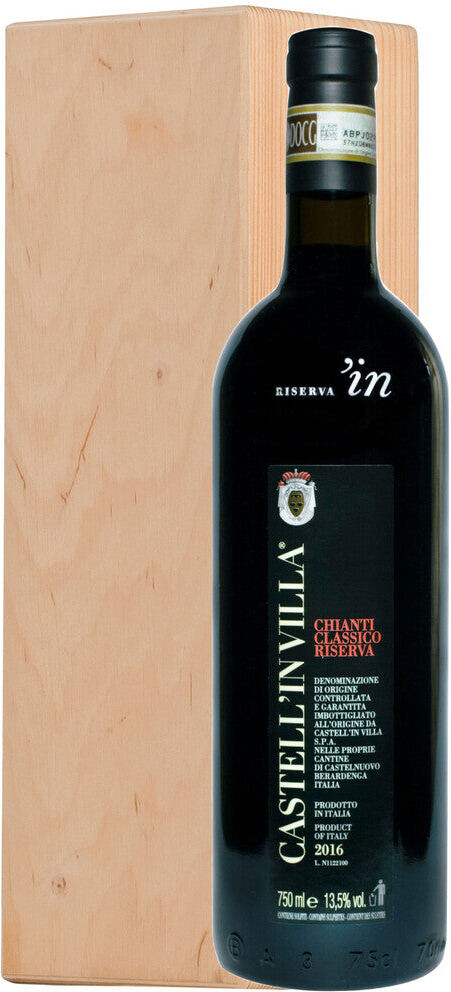
Chianti Classico Riserva 'IN Castell'in Villa' Castell'in Villa 2016The Chianti Classico Riserva “IN Castell'in Villa” from the renowned winery Castell'in Villa represents the pinnacle of this beautiful reality. It is one of the most prestigious and renowned labels in the entire Chianti Classico area. The term IN recalls the name of the producer, but also emphasizes the absolutely exclusive and precious character of this bottle. It is a great pure Sangiovese that comes from a rigorous selection and in particularly favorable vintages. Its charm, elegance, and depth are unparalleled. To be enjoyed in the company of true connoisseurs on a special evening. It is recommended to open the bottle after a few years of aging to appreciate its full maturity and expressive complexity. “IN Castell'in Villa” is a Chianti Classico Riserva produced by one of the most esteemed names in the region's viticulture. “Castell'in Villa is located near Castelnuovo Berardenga, in one of the most vocated areas of the Colli Senesi. The vineyards surround the ancient small medieval village, which gives the name to the winery. The estate extends over more than 50 hectares, divided into different high-quality parcels. The suitable soils and the cool climate provide the best conditions for Sangiovese to reach maturity with clusters of intense aromas. The Riserva IN is the fruit of the best vineyards that are aged between 15 and 25 years and are cultivated at an altitude of 250-350 meters above sea level, with exposure facing northwest and southeast. Fermentation takes place using only indigenous yeasts and with a maceration on the skins for several weeks. The wine matures in large oak barrels for a period of 36-48 months before proceeding to bottling.The Chianti Classico Riserva “IN Castell'in Villa” from Castell'in Villa represents the Sangiovese of Chianti at its utmost power and expressive refinement. Of a beautiful bright ruby red with slight garnet reflections, it expresses all its extraordinary elegance on the nose with refined aromas of marasca, red currant, delicate spices, aromatic herbs of the Mediterranean scrub, hints of370,00 £*Shipping: 48,00 £Secure redirect to the provider
-
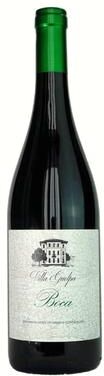
"""Villa Guelpa""" """Villa Guelpa Boca 2020 Red Wine - Italy""""""Rose, violet, wild herb and red berry aromas shape the nose along with whiffs of spice on this radiant red. Made with Nebbiolo and Vespolina, this is for fans of understated finesse and intense energy. Supremely elegant and racy. It delivers wild..."66,99 $*Shipping: 0,00 $Secure redirect to the provider


-
What are the differences between metal oxides and non-metal oxides?
Metal oxides are compounds formed between a metal and oxygen, while non-metal oxides are compounds formed between a non-metal and oxygen. Metal oxides tend to be basic in nature, meaning they react with acids to form salts and water, while non-metal oxides tend to be acidic, reacting with bases to form salts and water. Additionally, metal oxides typically have higher melting and boiling points compared to non-metal oxides. **
-
What is the difference between metal oxides and nonmetal oxides in chemistry?
Metal oxides are compounds formed between a metal and oxygen, while nonmetal oxides are compounds formed between a nonmetal and oxygen. Metal oxides tend to be basic in nature, meaning they react with acids to form salts and water. Nonmetal oxides, on the other hand, tend to be acidic in nature, meaning they react with bases to form salts and water. This difference in reactivity is due to the different chemical properties of metals and nonmetals. **
-
What is the difference between metal oxides and non-metal oxides in chemistry?
Metal oxides are compounds formed by the combination of a metal with oxygen, while non-metal oxides are compounds formed by the combination of a non-metal with oxygen. Metal oxides are generally basic in nature, meaning they react with acids to form salts and water. Non-metal oxides, on the other hand, are generally acidic in nature, meaning they react with bases to form salts and water. This difference in reactivity is due to the difference in electronegativity between metals and non-metals. **
-
Are non-metal oxides gaseous?
Non-metal oxides can exist in various states, including solid, liquid, and gaseous forms. Some non-metal oxides, such as carbon dioxide (CO2) and sulfur dioxide (SO2), are gaseous at room temperature and pressure. These gaseous non-metal oxides can play important roles in atmospheric chemistry and environmental processes. **

What are oxides in chemistry?
Oxides in chemistry are compounds that contain oxygen combined with another element. They can be formed by the reaction of oxygen with metals, nonmetals, or metalloids. Oxides can be acidic, basic, or amphoteric depending on the nature of the other element they are combined with. They play a crucial role in various chemical processes and are important in industries such as metallurgy, ceramics, and electronics. **
Where are metal oxides used?
Metal oxides are used in a wide range of applications, including as pigments in paints and ceramics, as catalysts in chemical reactions, and as components in electronic devices such as semiconductors and solar cells. They are also used in the production of metals, as abrasives in grinding and polishing, and as additives in materials such as glass and rubber. Additionally, metal oxides are utilized in the manufacturing of batteries and fuel cells, and in environmental applications such as wastewater treatment and air purification. **
Top-Angebote
Products related to Oxides:
-
Uplift Essentials Luxury Multi Level Cat Villa Spacious Indoor Pet Mansion & Climbing Frame white"Give your feline royalty the expansive home they deserve with our Luxury MultiLevel Cat Villa. More than just a cage, this ""cat mansion"" functions as a comprehensive indoor sanctuary, combining a secure resting area with an integrated climbing..."255,97 $*Shipping: 0,00 $Secure redirect to the provider
-
Inspired Finds Luxury Multi Level Cat Villa Cage With Climbing Frame & Resting Nest black Manor CondoCreate a spacious and comfortable sanctuary for your feline companion with this large cat cage designed for play, rest, and everyday living. Featuring multiple levels, climbing areas, and cozy resting spaces, this cat villa provides an enriching...226,99 $*Shipping: 0,00 $Secure redirect to the provider
-
"""Villa Sparina""" """Villa Sparina Brut Champagne - Italy""""""This deliciously refreshing sparkling wine has a pale straw-yellow color, gives off fresh floral fragrances and aromas of toasted bread. In the palate it is crisp, toasty and refreshing with a long finish."""28,99 $*Shipping: 0,00 $Secure redirect to the provider
-
"""Villa Sandi""" """Villa Sandi Valdobbiadene Prosecco Superiore Champagne - Italy""""""Golden apple, stone fruit and honey aromas, and flavors are balanced by lively acidity and a mouthwatering finish. Blend: 100% Glera Notes of sliced apples, white peaches and summer flowers with a medium body and crunchy acidity. Joyful and easy..."20,97 $*Shipping: 0,00 $Secure redirect to the provider
-
What are the properties of metal oxides and nonmetal oxides?
Metal oxides are typically basic in nature, meaning they react with acids to form salts and water. They are also typically solid at room temperature and have high melting and boiling points. Nonmetal oxides, on the other hand, are usually acidic in nature, meaning they react with bases to form salts and water. They are often gases or liquids at room temperature and have lower melting and boiling points compared to metal oxides. Both types of oxides play important roles in various chemical reactions and industrial processes. **
-
What are the differences between metal oxides and nonmetal oxides?
Metal oxides are compounds formed between a metal and oxygen, while nonmetal oxides are compounds formed between a nonmetal and oxygen. Metal oxides tend to be basic in nature, meaning they react with acids to form salts and water. Nonmetal oxides, on the other hand, tend to be acidic in nature, meaning they react with bases to form salts and water. Additionally, metal oxides typically have higher melting and boiling points compared to nonmetal oxides. **
-
What are the differences between metal oxides and non-metal oxides?
Metal oxides are compounds formed between a metal and oxygen, while non-metal oxides are compounds formed between a non-metal and oxygen. Metal oxides tend to be basic in nature, meaning they react with acids to form salts and water, while non-metal oxides tend to be acidic, reacting with bases to form salts and water. Additionally, metal oxides typically have higher melting and boiling points compared to non-metal oxides. **
-
What is the difference between metal oxides and nonmetal oxides in chemistry?
Metal oxides are compounds formed between a metal and oxygen, while nonmetal oxides are compounds formed between a nonmetal and oxygen. Metal oxides tend to be basic in nature, meaning they react with acids to form salts and water. Nonmetal oxides, on the other hand, tend to be acidic in nature, meaning they react with bases to form salts and water. This difference in reactivity is due to the different chemical properties of metals and nonmetals. **
Similar search terms for Oxides
-
Chianti Classico Riserva 'IN Castell'in Villa' Castell'in Villa 2016The Chianti Classico Riserva “IN Castell'in Villa” from the renowned winery Castell'in Villa represents the pinnacle of this beautiful reality. It is one of the most prestigious and renowned labels in the entire Chianti Classico area. The term IN recalls the name of the producer, but also emphasizes the absolutely exclusive and precious character of this bottle. It is a great pure Sangiovese that comes from a rigorous selection and in particularly favorable vintages. Its charm, elegance, and depth are unparalleled. To be enjoyed in the company of true connoisseurs on a special evening. It is recommended to open the bottle after a few years of aging to appreciate its full maturity and expressive complexity. “IN Castell'in Villa” is a Chianti Classico Riserva produced by one of the most esteemed names in the region's viticulture. “Castell'in Villa is located near Castelnuovo Berardenga, in one of the most vocated areas of the Colli Senesi. The vineyards surround the ancient small medieval village, which gives the name to the winery. The estate extends over more than 50 hectares, divided into different high-quality parcels. The suitable soils and the cool climate provide the best conditions for Sangiovese to reach maturity with clusters of intense aromas. The Riserva IN is the fruit of the best vineyards that are aged between 15 and 25 years and are cultivated at an altitude of 250-350 meters above sea level, with exposure facing northwest and southeast. Fermentation takes place using only indigenous yeasts and with a maceration on the skins for several weeks. The wine matures in large oak barrels for a period of 36-48 months before proceeding to bottling.The Chianti Classico Riserva “IN Castell'in Villa” from Castell'in Villa represents the Sangiovese of Chianti at its utmost power and expressive refinement. Of a beautiful bright ruby red with slight garnet reflections, it expresses all its extraordinary elegance on the nose with refined aromas of marasca, red currant, delicate spices, aromatic herbs of the Mediterranean scrub, hints of370,00 £*Shipping: 48,00 £Secure redirect to the provider
-
"""Villa Guelpa""" """Villa Guelpa Boca 2020 Red Wine - Italy""""""Rose, violet, wild herb and red berry aromas shape the nose along with whiffs of spice on this radiant red. Made with Nebbiolo and Vespolina, this is for fans of understated finesse and intense energy. Supremely elegant and racy. It delivers wild..."66,99 $*Shipping: 0,00 $Secure redirect to the provider
-
"""Villa Guelpa""" """Villa Guelpa Lessona 2020 Red Wine - Italy""""""Intense and refined, it opens with beautiful aromas of medicinal herbs and licorice, complemented by notes of red fruit. The characterful and elegant palate is subtly tied together by dense tannins, yet well-balanced by the pulp and a very long..."79,99 $*Shipping: 0,00 $Secure redirect to the provider
-
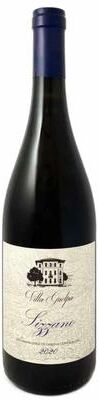
"""Villa Guelpa""" """Villa Guelpa Sizzano 2020 Red Wine - Italy""""""A series of refined aromas (rust, iodine, rhubarb, and tobacco) combined with a harmonious and persistent palate, rich in savory sensations. The spicy notes of Vespolina, white pepper, blend with the elegant Nebbiolo, are typical. Blend: 70%..."45,99 $*Shipping: 0,00 $Secure redirect to the provider
-
What is the difference between metal oxides and non-metal oxides in chemistry?
Metal oxides are compounds formed by the combination of a metal with oxygen, while non-metal oxides are compounds formed by the combination of a non-metal with oxygen. Metal oxides are generally basic in nature, meaning they react with acids to form salts and water. Non-metal oxides, on the other hand, are generally acidic in nature, meaning they react with bases to form salts and water. This difference in reactivity is due to the difference in electronegativity between metals and non-metals. **
-
Are non-metal oxides gaseous?
Non-metal oxides can exist in various states, including solid, liquid, and gaseous forms. Some non-metal oxides, such as carbon dioxide (CO2) and sulfur dioxide (SO2), are gaseous at room temperature and pressure. These gaseous non-metal oxides can play important roles in atmospheric chemistry and environmental processes. **
-
What are oxides in chemistry?
Oxides in chemistry are compounds that contain oxygen combined with another element. They can be formed by the reaction of oxygen with metals, nonmetals, or metalloids. Oxides can be acidic, basic, or amphoteric depending on the nature of the other element they are combined with. They play a crucial role in various chemical processes and are important in industries such as metallurgy, ceramics, and electronics. **
-
Where are metal oxides used?
Metal oxides are used in a wide range of applications, including as pigments in paints and ceramics, as catalysts in chemical reactions, and as components in electronic devices such as semiconductors and solar cells. They are also used in the production of metals, as abrasives in grinding and polishing, and as additives in materials such as glass and rubber. Additionally, metal oxides are utilized in the manufacturing of batteries and fuel cells, and in environmental applications such as wastewater treatment and air purification. **
* All prices are inclusive of VAT and, if applicable, plus shipping costs. The offer information is based on the details provided by the respective shop and is updated through automated processes. Real-time updates do not occur, so deviations can occur in individual cases. ** Note: Parts of this content were created by AI.