Buy luxusvilla.eu ?
We are moving the project
luxusvilla.eu .
Are you interested in purchasing the domain
luxusvilla.eu ?
domain@kv-gmbh.de · 0541-91531010
Buy luxusvilla.eu ?
What is reactivity?
Reactivity refers to how likely a substance is to undergo a chemical reaction. Highly reactive substances are more likely to react with other substances, while less reactive substances are more stable and less likely to undergo reactions. Reactivity is influenced by factors such as the arrangement of electrons in an atom or molecule, the presence of functional groups, and the chemical environment in which the substance is placed. Understanding the reactivity of a substance is important in predicting its behavior in various chemical reactions. **
What is reactivity in elimination?
Reactivity in elimination refers to the relative ease with which a particular substrate undergoes elimination reaction. Substrates with more reactive leaving groups or more substituted carbons are generally more reactive in elimination reactions. Reactivity can also be influenced by the nature of the base or catalyst used in the elimination reaction. Understanding the reactivity of a substrate is important for predicting and controlling the outcome of elimination reactions. **

Similar search terms for Reactivity
Top-Angebote
Products related to Reactivity:
-
"""Villa Sparina""" """Villa Sparina Brut Champagne - Italy""""""This deliciously refreshing sparkling wine has a pale straw-yellow color, gives off fresh floral fragrances and aromas of toasted bread. In the palate it is crisp, toasty and refreshing with a long finish."""28,99 $*Shipping: 0,00 $Secure redirect to the provider
-
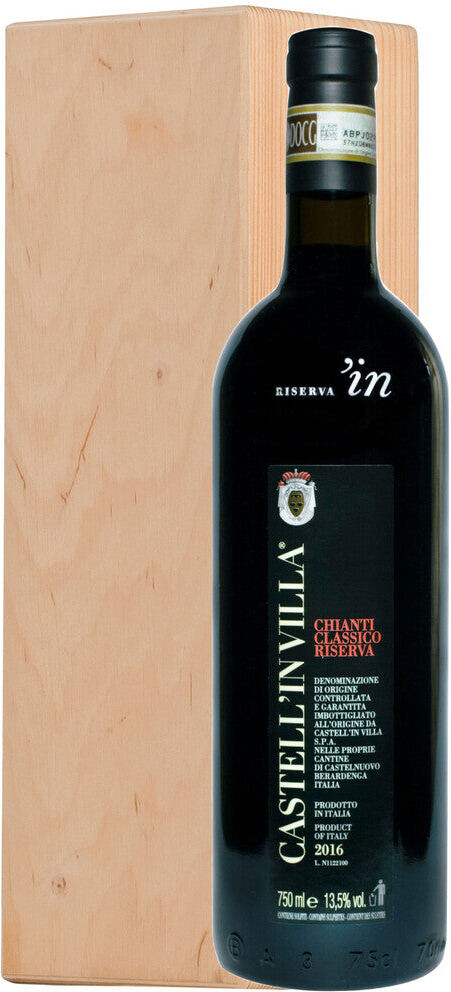
Chianti Classico Riserva 'IN Castell'in Villa' Castell'in Villa 2016The Chianti Classico Riserva “IN Castell'in Villa” from the renowned winery Castell'in Villa represents the pinnacle of this beautiful reality. It is one of the most prestigious and renowned labels in the entire Chianti Classico area. The term IN recalls the name of the producer, but also emphasizes the absolutely exclusive and precious character of this bottle. It is a great pure Sangiovese that comes from a rigorous selection and in particularly favorable vintages. Its charm, elegance, and depth are unparalleled. To be enjoyed in the company of true connoisseurs on a special evening. It is recommended to open the bottle after a few years of aging to appreciate its full maturity and expressive complexity. “IN Castell'in Villa” is a Chianti Classico Riserva produced by one of the most esteemed names in the region's viticulture. “Castell'in Villa is located near Castelnuovo Berardenga, in one of the most vocated areas of the Colli Senesi. The vineyards surround the ancient small medieval village, which gives the name to the winery. The estate extends over more than 50 hectares, divided into different high-quality parcels. The suitable soils and the cool climate provide the best conditions for Sangiovese to reach maturity with clusters of intense aromas. The Riserva IN is the fruit of the best vineyards that are aged between 15 and 25 years and are cultivated at an altitude of 250-350 meters above sea level, with exposure facing northwest and southeast. Fermentation takes place using only indigenous yeasts and with a maceration on the skins for several weeks. The wine matures in large oak barrels for a period of 36-48 months before proceeding to bottling.The Chianti Classico Riserva “IN Castell'in Villa” from Castell'in Villa represents the Sangiovese of Chianti at its utmost power and expressive refinement. Of a beautiful bright ruby red with slight garnet reflections, it expresses all its extraordinary elegance on the nose with refined aromas of marasca, red currant, delicate spices, aromatic herbs of the Mediterranean scrub, hints of370,00 £*Shipping: 48,00 £Secure redirect to the provider
-
"""Villa Sandi""" """Villa Sandi Valdobbiadene Prosecco Superiore Champagne - Italy""""""Golden apple, stone fruit and honey aromas, and flavors are balanced by lively acidity and a mouthwatering finish. Blend: 100% Glera Notes of sliced apples, white peaches and summer flowers with a medium body and crunchy acidity. Joyful and easy..."20,97 $*Shipping: 0,00 $Secure redirect to the provider
-
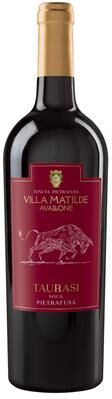
"""Villa Matilde""" """Villa Matilde Taurasi 2020 Red Wine - Italy""""""Elegant, rich in tannins, velvety on hints of wild cherry, blackberry, spicy vanilla and tobacco. Full on the palate with an elegant and balanced texture. Ideal for barbecue or meat-based pasta dishes. Blend: 100% Aglianico The 2020 Taurasi..."30,97 $*Shipping: 0,00 $Secure redirect to the provider


-
What is reactivity in chemistry?
Reactivity in chemistry refers to the tendency of a substance to undergo chemical reactions with other substances. This can be influenced by factors such as the arrangement of electrons in the atoms, the presence of functional groups, and the stability of the resulting products. Highly reactive substances are more likely to participate in chemical reactions, while less reactive substances are more stable and less likely to undergo reactions. Understanding reactivity is important in predicting how substances will behave in various chemical processes and reactions. **
-
Why do alkenes and alkynes have a high reactivity? Why is the reactivity of alkenes greater than that of alkanes and the reactivity of alkynes the greatest?
Alkenes and alkynes have high reactivity due to the presence of pi bonds, which are more easily broken than the sigma bonds found in alkanes. The pi bonds in alkenes and alkynes are more exposed and less stable, making them more susceptible to reactions. The reactivity of alkenes is greater than that of alkanes because they have one or more pi bonds, which provide more opportunities for chemical reactions. Similarly, alkynes have the greatest reactivity because they have two pi bonds, making them even more susceptible to reactions than alkenes. **
-
What is the reactivity of alkenes and alkynes?
Alkenes and alkynes are more reactive than alkanes due to the presence of pi bonds in their structures. The pi bonds allow for the addition of atoms or groups to the carbon-carbon double or triple bond, making them susceptible to various types of reactions such as addition reactions. Alkynes are generally more reactive than alkenes due to the presence of a triple bond, which provides more opportunities for reactions to occur. Overall, the reactivity of alkenes and alkynes makes them important building blocks in organic chemistry for synthesizing a wide range of compounds. **
-
What is the reactivity of the main groups?
The reactivity of the main groups in the periodic table varies depending on the specific group. Generally, the alkali metals in Group 1 are highly reactive, readily forming ionic compounds with nonmetals. The alkaline earth metals in Group 2 are also reactive, but less so than the alkali metals. The halogens in Group 17 are highly reactive nonmetals, readily forming compounds with metals. The noble gases in Group 18 are generally unreactive due to their full outer electron shells. Overall, reactivity tends to increase going down a group and decrease going across a period from left to right. **
What is the reactivity of alkanes and alkenes?
Alkanes are relatively unreactive due to the presence of only single bonds between carbon atoms, which makes them stable and inert under most conditions. On the other hand, alkenes are more reactive than alkanes due to the presence of a double bond, which can undergo addition reactions with various reagents. This double bond provides alkenes with the ability to participate in a wide range of chemical reactions, making them more versatile in organic synthesis compared to alkanes. **
What is the reactivity series of metals in chemistry?
The reactivity series of metals is a list of metals arranged in order of their reactivity, from the most reactive to the least reactive. This series helps predict how metals will react with other substances, such as acids or water. Metals higher in the reactivity series will displace metals lower in the series from their compounds in reactions. The reactivity series is a fundamental concept in chemistry that helps understand the behavior of metals in various chemical reactions. **
Top-Angebote
Products related to Reactivity:
-
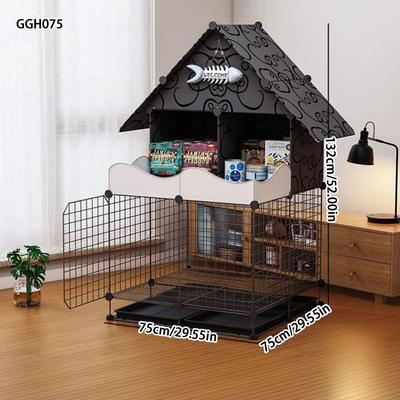
Uplift Essentials Luxury Multi Level Cat Villa Spacious Indoor Pet Mansion & Climbing Frame white"Give your feline royalty the expansive home they deserve with our Luxury MultiLevel Cat Villa. More than just a cage, this ""cat mansion"" functions as a comprehensive indoor sanctuary, combining a secure resting area with an integrated climbing..."255,97 $*Shipping: 0,00 $Secure redirect to the provider
-
Inspired Finds Luxury Multi Level Cat Villa Cage With Climbing Frame & Resting Nest black Manor CondoCreate a spacious and comfortable sanctuary for your feline companion with this large cat cage designed for play, rest, and everyday living. Featuring multiple levels, climbing areas, and cozy resting spaces, this cat villa provides an enriching...226,99 $*Shipping: 0,00 $Secure redirect to the provider
-
"""Villa Sparina""" """Villa Sparina Brut Champagne - Italy""""""This deliciously refreshing sparkling wine has a pale straw-yellow color, gives off fresh floral fragrances and aromas of toasted bread. In the palate it is crisp, toasty and refreshing with a long finish."""28,99 $*Shipping: 0,00 $Secure redirect to the provider
-
Chianti Classico Riserva 'IN Castell'in Villa' Castell'in Villa 2016The Chianti Classico Riserva “IN Castell'in Villa” from the renowned winery Castell'in Villa represents the pinnacle of this beautiful reality. It is one of the most prestigious and renowned labels in the entire Chianti Classico area. The term IN recalls the name of the producer, but also emphasizes the absolutely exclusive and precious character of this bottle. It is a great pure Sangiovese that comes from a rigorous selection and in particularly favorable vintages. Its charm, elegance, and depth are unparalleled. To be enjoyed in the company of true connoisseurs on a special evening. It is recommended to open the bottle after a few years of aging to appreciate its full maturity and expressive complexity. “IN Castell'in Villa” is a Chianti Classico Riserva produced by one of the most esteemed names in the region's viticulture. “Castell'in Villa is located near Castelnuovo Berardenga, in one of the most vocated areas of the Colli Senesi. The vineyards surround the ancient small medieval village, which gives the name to the winery. The estate extends over more than 50 hectares, divided into different high-quality parcels. The suitable soils and the cool climate provide the best conditions for Sangiovese to reach maturity with clusters of intense aromas. The Riserva IN is the fruit of the best vineyards that are aged between 15 and 25 years and are cultivated at an altitude of 250-350 meters above sea level, with exposure facing northwest and southeast. Fermentation takes place using only indigenous yeasts and with a maceration on the skins for several weeks. The wine matures in large oak barrels for a period of 36-48 months before proceeding to bottling.The Chianti Classico Riserva “IN Castell'in Villa” from Castell'in Villa represents the Sangiovese of Chianti at its utmost power and expressive refinement. Of a beautiful bright ruby red with slight garnet reflections, it expresses all its extraordinary elegance on the nose with refined aromas of marasca, red currant, delicate spices, aromatic herbs of the Mediterranean scrub, hints of370,00 £*Shipping: 48,00 £Secure redirect to the provider
-
What is reactivity?
Reactivity refers to how likely a substance is to undergo a chemical reaction. Highly reactive substances are more likely to react with other substances, while less reactive substances are more stable and less likely to undergo reactions. Reactivity is influenced by factors such as the arrangement of electrons in an atom or molecule, the presence of functional groups, and the chemical environment in which the substance is placed. Understanding the reactivity of a substance is important in predicting its behavior in various chemical reactions. **
-
What is reactivity in elimination?
Reactivity in elimination refers to the relative ease with which a particular substrate undergoes elimination reaction. Substrates with more reactive leaving groups or more substituted carbons are generally more reactive in elimination reactions. Reactivity can also be influenced by the nature of the base or catalyst used in the elimination reaction. Understanding the reactivity of a substrate is important for predicting and controlling the outcome of elimination reactions. **
-
What is reactivity in chemistry?
Reactivity in chemistry refers to the tendency of a substance to undergo chemical reactions with other substances. This can be influenced by factors such as the arrangement of electrons in the atoms, the presence of functional groups, and the stability of the resulting products. Highly reactive substances are more likely to participate in chemical reactions, while less reactive substances are more stable and less likely to undergo reactions. Understanding reactivity is important in predicting how substances will behave in various chemical processes and reactions. **
-
Why do alkenes and alkynes have a high reactivity? Why is the reactivity of alkenes greater than that of alkanes and the reactivity of alkynes the greatest?
Alkenes and alkynes have high reactivity due to the presence of pi bonds, which are more easily broken than the sigma bonds found in alkanes. The pi bonds in alkenes and alkynes are more exposed and less stable, making them more susceptible to reactions. The reactivity of alkenes is greater than that of alkanes because they have one or more pi bonds, which provide more opportunities for chemical reactions. Similarly, alkynes have the greatest reactivity because they have two pi bonds, making them even more susceptible to reactions than alkenes. **
Similar search terms for Reactivity
-
"""Villa Sandi""" """Villa Sandi Valdobbiadene Prosecco Superiore Champagne - Italy""""""Golden apple, stone fruit and honey aromas, and flavors are balanced by lively acidity and a mouthwatering finish. Blend: 100% Glera Notes of sliced apples, white peaches and summer flowers with a medium body and crunchy acidity. Joyful and easy..."20,97 $*Shipping: 0,00 $Secure redirect to the provider
-
"""Villa Matilde""" """Villa Matilde Taurasi 2020 Red Wine - Italy""""""Elegant, rich in tannins, velvety on hints of wild cherry, blackberry, spicy vanilla and tobacco. Full on the palate with an elegant and balanced texture. Ideal for barbecue or meat-based pasta dishes. Blend: 100% Aglianico The 2020 Taurasi..."30,97 $*Shipping: 0,00 $Secure redirect to the provider
-
"""Villa Guelpa""" """Villa Guelpa Sizzano 2020 Red Wine - Italy""""""A series of refined aromas (rust, iodine, rhubarb, and tobacco) combined with a harmonious and persistent palate, rich in savory sensations. The spicy notes of Vespolina, white pepper, blend with the elegant Nebbiolo, are typical. Blend: 70%..."45,99 $*Shipping: 0,00 $Secure redirect to the provider
-
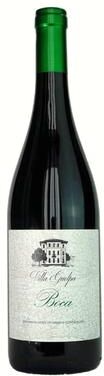
"""Villa Guelpa""" """Villa Guelpa Boca 2020 Red Wine - Italy""""""Rose, violet, wild herb and red berry aromas shape the nose along with whiffs of spice on this radiant red. Made with Nebbiolo and Vespolina, this is for fans of understated finesse and intense energy. Supremely elegant and racy. It delivers wild..."66,99 $*Shipping: 0,00 $Secure redirect to the provider
-
What is the reactivity of alkenes and alkynes?
Alkenes and alkynes are more reactive than alkanes due to the presence of pi bonds in their structures. The pi bonds allow for the addition of atoms or groups to the carbon-carbon double or triple bond, making them susceptible to various types of reactions such as addition reactions. Alkynes are generally more reactive than alkenes due to the presence of a triple bond, which provides more opportunities for reactions to occur. Overall, the reactivity of alkenes and alkynes makes them important building blocks in organic chemistry for synthesizing a wide range of compounds. **
-
What is the reactivity of the main groups?
The reactivity of the main groups in the periodic table varies depending on the specific group. Generally, the alkali metals in Group 1 are highly reactive, readily forming ionic compounds with nonmetals. The alkaline earth metals in Group 2 are also reactive, but less so than the alkali metals. The halogens in Group 17 are highly reactive nonmetals, readily forming compounds with metals. The noble gases in Group 18 are generally unreactive due to their full outer electron shells. Overall, reactivity tends to increase going down a group and decrease going across a period from left to right. **
-
What is the reactivity of alkanes and alkenes?
Alkanes are relatively unreactive due to the presence of only single bonds between carbon atoms, which makes them stable and inert under most conditions. On the other hand, alkenes are more reactive than alkanes due to the presence of a double bond, which can undergo addition reactions with various reagents. This double bond provides alkenes with the ability to participate in a wide range of chemical reactions, making them more versatile in organic synthesis compared to alkanes. **
-
What is the reactivity series of metals in chemistry?
The reactivity series of metals is a list of metals arranged in order of their reactivity, from the most reactive to the least reactive. This series helps predict how metals will react with other substances, such as acids or water. Metals higher in the reactivity series will displace metals lower in the series from their compounds in reactions. The reactivity series is a fundamental concept in chemistry that helps understand the behavior of metals in various chemical reactions. **
* All prices are inclusive of VAT and, if applicable, plus shipping costs. The offer information is based on the details provided by the respective shop and is updated through automated processes. Real-time updates do not occur, so deviations can occur in individual cases. ** Note: Parts of this content were created by AI.