Buy luxusvilla.eu ?
We are moving the project
luxusvilla.eu .
Are you interested in purchasing the domain
luxusvilla.eu ?
domain@kv-gmbh.de · 0541-91531010
Buy luxusvilla.eu ?
How to create a titration curve of a conductivity titration?
To create a titration curve of a conductivity titration, you would first need to set up your titration apparatus with a conductivity meter. Begin by measuring the initial conductivity of the solution being titrated. As you add titrant incrementally, record the conductivity at each point. Plot the conductivity values against the volume of titrant added to create a titration curve. The curve will typically show a sharp increase in conductivity at the equivalence point, allowing you to determine the endpoint of the titration. **
How does a titration with the degree of titration work?
A titration with the degree of titration works by gradually adding a titrant of known concentration to a solution of the analyte until the reaction between the two is complete. The point at which the reaction is complete is determined by using an indicator or a pH meter. The amount of titrant required to reach this point is used to calculate the concentration of the analyte in the original solution. The degree of titration refers to the extent to which the reaction has progressed and is typically expressed as a percentage. **


Similar search terms for Titration
Top-Angebote
Products related to Titration:
-
"""Villa Sparina""" """Villa Sparina Brut Champagne - Italy""""""This deliciously refreshing sparkling wine has a pale straw-yellow color, gives off fresh floral fragrances and aromas of toasted bread. In the palate it is crisp, toasty and refreshing with a long finish."""28,99 $*Shipping: 0,00 $Secure redirect to the provider
-
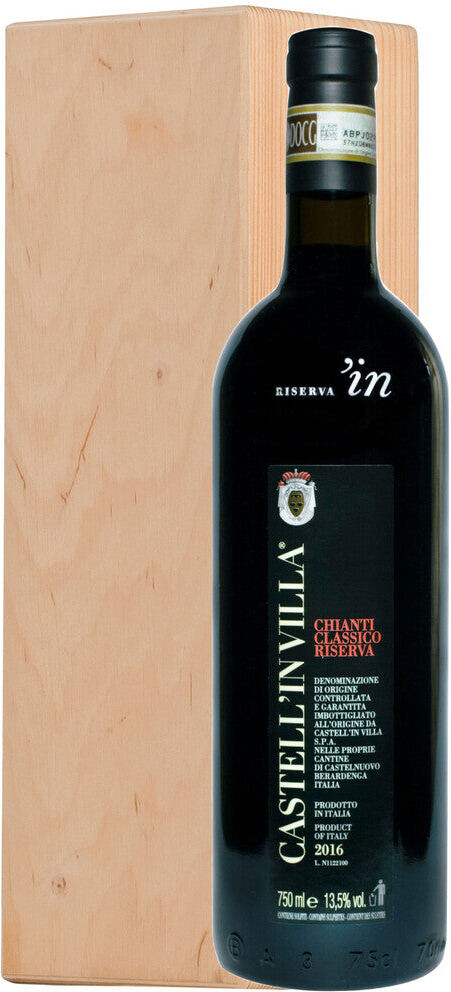
Chianti Classico Riserva 'IN Castell'in Villa' Castell'in Villa 2016The Chianti Classico Riserva “IN Castell'in Villa” from the renowned winery Castell'in Villa represents the pinnacle of this beautiful reality. It is one of the most prestigious and renowned labels in the entire Chianti Classico area. The term IN recalls the name of the producer, but also emphasizes the absolutely exclusive and precious character of this bottle. It is a great pure Sangiovese that comes from a rigorous selection and in particularly favorable vintages. Its charm, elegance, and depth are unparalleled. To be enjoyed in the company of true connoisseurs on a special evening. It is recommended to open the bottle after a few years of aging to appreciate its full maturity and expressive complexity. “IN Castell'in Villa” is a Chianti Classico Riserva produced by one of the most esteemed names in the region's viticulture. “Castell'in Villa is located near Castelnuovo Berardenga, in one of the most vocated areas of the Colli Senesi. The vineyards surround the ancient small medieval village, which gives the name to the winery. The estate extends over more than 50 hectares, divided into different high-quality parcels. The suitable soils and the cool climate provide the best conditions for Sangiovese to reach maturity with clusters of intense aromas. The Riserva IN is the fruit of the best vineyards that are aged between 15 and 25 years and are cultivated at an altitude of 250-350 meters above sea level, with exposure facing northwest and southeast. Fermentation takes place using only indigenous yeasts and with a maceration on the skins for several weeks. The wine matures in large oak barrels for a period of 36-48 months before proceeding to bottling.The Chianti Classico Riserva “IN Castell'in Villa” from Castell'in Villa represents the Sangiovese of Chianti at its utmost power and expressive refinement. Of a beautiful bright ruby red with slight garnet reflections, it expresses all its extraordinary elegance on the nose with refined aromas of marasca, red currant, delicate spices, aromatic herbs of the Mediterranean scrub, hints of370,00 £*Shipping: 48,00 £Secure redirect to the provider
-
"""Villa Sandi""" """Villa Sandi Valdobbiadene Prosecco Superiore Champagne - Italy""""""Golden apple, stone fruit and honey aromas, and flavors are balanced by lively acidity and a mouthwatering finish. Blend: 100% Glera Notes of sliced apples, white peaches and summer flowers with a medium body and crunchy acidity. Joyful and easy..."20,97 $*Shipping: 0,00 $Secure redirect to the provider
-
"""Villa Guelpa""" """Villa Guelpa Lessona 2020 Red Wine - Italy""""""Intense and refined, it opens with beautiful aromas of medicinal herbs and licorice, complemented by notes of red fruit. The characterful and elegant palate is subtly tied together by dense tannins, yet well-balanced by the pulp and a very long..."81,99 $*Shipping: 0,00 $Secure redirect to the provider



-
How does titration work?
Titration is a technique used in chemistry to determine the concentration of a specific substance in a solution. It involves slowly adding a solution of known concentration (titrant) to a solution of unknown concentration until the reaction between the two is complete. This is typically indicated by a color change or other observable change. By measuring the volume of titrant required to reach the endpoint, the concentration of the unknown solution can be calculated using stoichiometry. **
-
What is a titration?
A titration is a laboratory technique used to determine the concentration of a specific substance in a solution. It involves slowly adding a solution of known concentration (titrant) to a solution of unknown concentration until the reaction between the two is complete. The point at which the reaction is complete is called the equivalence point, which is used to calculate the concentration of the unknown solution. Titration is commonly used in chemistry for various purposes, such as determining the acidity or alkalinity of a solution. **
-
Can the titration volume be calculated without having performed the titration beforehand?
No, the titration volume cannot be accurately calculated without having performed the titration beforehand. The titration volume is determined by the amount of titrant needed to reach the equivalence point, which can only be determined through the actual titration process. The titration volume is a crucial parameter in determining the concentration of the analyte in the sample, so it is essential to perform the titration to obtain this information accurately. **
-
What does a titration curve look like when no titration is performed?
When no titration is performed, a titration curve would simply be a straight horizontal line at the initial pH of the solution being tested. This is because there would be no addition of titrant to cause any changes in pH. The curve would remain flat and unchanging until a titrant is added to initiate the titration process. **
What is the difference between a pH-metric titration and an indicator titration?
A pH-metric titration involves the use of a pH meter to measure the pH of a solution as a titrant is added to it. This allows for a precise determination of the equivalence point of the titration. On the other hand, an indicator titration uses a chemical indicator that changes color at or near the equivalence point to signal the end of the titration. While pH-metric titrations provide more accurate and precise results, indicator titrations are simpler and more commonly used in introductory chemistry labs. **
What is a back titration?
A back titration is a technique used in analytical chemistry to determine the concentration of an analyte that reacts slowly or incompletely with a direct titration method. It involves adding an excess of a known reagent to the analyte, allowing the reaction to proceed, and then titrating the excess reagent that did not react with a second titrant. By measuring the amount of the second titrant required to react with the excess reagent, the concentration of the analyte can be calculated. Back titrations are particularly useful when the analyte is volatile, weakly acidic or basic, or when there are interfering substances present. **
Top-Angebote
Products related to Titration:
-
Uplift Essentials Luxury Multi Level Cat Villa Spacious Indoor Pet Mansion & Climbing Frame black"Give your feline royalty the expansive home they deserve with our Luxury MultiLevel Cat Villa. More than just a cage, this ""cat mansion"" functions as a comprehensive indoor sanctuary, combining a secure resting area with an integrated climbing..."255,97 $*Shipping: 0,00 $Secure redirect to the provider
-
Inspired Finds Luxury Multi Level Cat Villa Cage With Climbing Frame & Resting Nest black Manor CondoCreate a spacious and comfortable sanctuary for your feline companion with this large cat cage designed for play, rest, and everyday living. Featuring multiple levels, climbing areas, and cozy resting spaces, this cat villa provides an enriching...226,99 $*Shipping: 0,00 $Secure redirect to the provider
-
"""Villa Sparina""" """Villa Sparina Brut Champagne - Italy""""""This deliciously refreshing sparkling wine has a pale straw-yellow color, gives off fresh floral fragrances and aromas of toasted bread. In the palate it is crisp, toasty and refreshing with a long finish."""28,99 $*Shipping: 0,00 $Secure redirect to the provider
-
Chianti Classico Riserva 'IN Castell'in Villa' Castell'in Villa 2016The Chianti Classico Riserva “IN Castell'in Villa” from the renowned winery Castell'in Villa represents the pinnacle of this beautiful reality. It is one of the most prestigious and renowned labels in the entire Chianti Classico area. The term IN recalls the name of the producer, but also emphasizes the absolutely exclusive and precious character of this bottle. It is a great pure Sangiovese that comes from a rigorous selection and in particularly favorable vintages. Its charm, elegance, and depth are unparalleled. To be enjoyed in the company of true connoisseurs on a special evening. It is recommended to open the bottle after a few years of aging to appreciate its full maturity and expressive complexity. “IN Castell'in Villa” is a Chianti Classico Riserva produced by one of the most esteemed names in the region's viticulture. “Castell'in Villa is located near Castelnuovo Berardenga, in one of the most vocated areas of the Colli Senesi. The vineyards surround the ancient small medieval village, which gives the name to the winery. The estate extends over more than 50 hectares, divided into different high-quality parcels. The suitable soils and the cool climate provide the best conditions for Sangiovese to reach maturity with clusters of intense aromas. The Riserva IN is the fruit of the best vineyards that are aged between 15 and 25 years and are cultivated at an altitude of 250-350 meters above sea level, with exposure facing northwest and southeast. Fermentation takes place using only indigenous yeasts and with a maceration on the skins for several weeks. The wine matures in large oak barrels for a period of 36-48 months before proceeding to bottling.The Chianti Classico Riserva “IN Castell'in Villa” from Castell'in Villa represents the Sangiovese of Chianti at its utmost power and expressive refinement. Of a beautiful bright ruby red with slight garnet reflections, it expresses all its extraordinary elegance on the nose with refined aromas of marasca, red currant, delicate spices, aromatic herbs of the Mediterranean scrub, hints of370,00 £*Shipping: 48,00 £Secure redirect to the provider
-
How to create a titration curve of a conductivity titration?
To create a titration curve of a conductivity titration, you would first need to set up your titration apparatus with a conductivity meter. Begin by measuring the initial conductivity of the solution being titrated. As you add titrant incrementally, record the conductivity at each point. Plot the conductivity values against the volume of titrant added to create a titration curve. The curve will typically show a sharp increase in conductivity at the equivalence point, allowing you to determine the endpoint of the titration. **
-
How does a titration with the degree of titration work?
A titration with the degree of titration works by gradually adding a titrant of known concentration to a solution of the analyte until the reaction between the two is complete. The point at which the reaction is complete is determined by using an indicator or a pH meter. The amount of titrant required to reach this point is used to calculate the concentration of the analyte in the original solution. The degree of titration refers to the extent to which the reaction has progressed and is typically expressed as a percentage. **
-
How does titration work?
Titration is a technique used in chemistry to determine the concentration of a specific substance in a solution. It involves slowly adding a solution of known concentration (titrant) to a solution of unknown concentration until the reaction between the two is complete. This is typically indicated by a color change or other observable change. By measuring the volume of titrant required to reach the endpoint, the concentration of the unknown solution can be calculated using stoichiometry. **
-
What is a titration?
A titration is a laboratory technique used to determine the concentration of a specific substance in a solution. It involves slowly adding a solution of known concentration (titrant) to a solution of unknown concentration until the reaction between the two is complete. The point at which the reaction is complete is called the equivalence point, which is used to calculate the concentration of the unknown solution. Titration is commonly used in chemistry for various purposes, such as determining the acidity or alkalinity of a solution. **
Similar search terms for Titration
-
"""Villa Sandi""" """Villa Sandi Valdobbiadene Prosecco Superiore Champagne - Italy""""""Golden apple, stone fruit and honey aromas, and flavors are balanced by lively acidity and a mouthwatering finish. Blend: 100% Glera Notes of sliced apples, white peaches and summer flowers with a medium body and crunchy acidity. Joyful and easy..."20,97 $*Shipping: 0,00 $Secure redirect to the provider
-
"""Villa Guelpa""" """Villa Guelpa Lessona 2020 Red Wine - Italy""""""Intense and refined, it opens with beautiful aromas of medicinal herbs and licorice, complemented by notes of red fruit. The characterful and elegant palate is subtly tied together by dense tannins, yet well-balanced by the pulp and a very long..."81,99 $*Shipping: 0,00 $Secure redirect to the provider
-
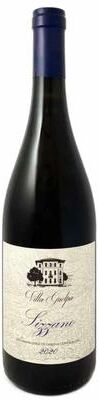
"""Villa Guelpa""" """Villa Guelpa Sizzano 2020 Red Wine - Italy""""""A series of refined aromas (rust, iodine, rhubarb, and tobacco) combined with a harmonious and persistent palate, rich in savory sensations. The spicy notes of Vespolina, white pepper, blend with the elegant Nebbiolo, are typical. Blend: 70%..."45,99 $*Shipping: 0,00 $Secure redirect to the provider
-
"""Villa Guelpa""" """Villa Guelpa Boca 2020 Red Wine - Italy""""""Rose, violet, wild herb and red berry aromas shape the nose along with whiffs of spice on this radiant red. Made with Nebbiolo and Vespolina, this is for fans of understated finesse and intense energy. Supremely elegant and racy. It delivers wild..."66,99 $*Shipping: 0,00 $Secure redirect to the provider
-
Can the titration volume be calculated without having performed the titration beforehand?
No, the titration volume cannot be accurately calculated without having performed the titration beforehand. The titration volume is determined by the amount of titrant needed to reach the equivalence point, which can only be determined through the actual titration process. The titration volume is a crucial parameter in determining the concentration of the analyte in the sample, so it is essential to perform the titration to obtain this information accurately. **
-
What does a titration curve look like when no titration is performed?
When no titration is performed, a titration curve would simply be a straight horizontal line at the initial pH of the solution being tested. This is because there would be no addition of titrant to cause any changes in pH. The curve would remain flat and unchanging until a titrant is added to initiate the titration process. **
-
What is the difference between a pH-metric titration and an indicator titration?
A pH-metric titration involves the use of a pH meter to measure the pH of a solution as a titrant is added to it. This allows for a precise determination of the equivalence point of the titration. On the other hand, an indicator titration uses a chemical indicator that changes color at or near the equivalence point to signal the end of the titration. While pH-metric titrations provide more accurate and precise results, indicator titrations are simpler and more commonly used in introductory chemistry labs. **
-
What is a back titration?
A back titration is a technique used in analytical chemistry to determine the concentration of an analyte that reacts slowly or incompletely with a direct titration method. It involves adding an excess of a known reagent to the analyte, allowing the reaction to proceed, and then titrating the excess reagent that did not react with a second titrant. By measuring the amount of the second titrant required to react with the excess reagent, the concentration of the analyte can be calculated. Back titrations are particularly useful when the analyte is volatile, weakly acidic or basic, or when there are interfering substances present. **
* All prices are inclusive of VAT and, if applicable, plus shipping costs. The offer information is based on the details provided by the respective shop and is updated through automated processes. Real-time updates do not occur, so deviations can occur in individual cases. ** Note: Parts of this content were created by AI.